
Starwatch: Track Cetus, the Sea Monster, Sprawling Across the Night Sky
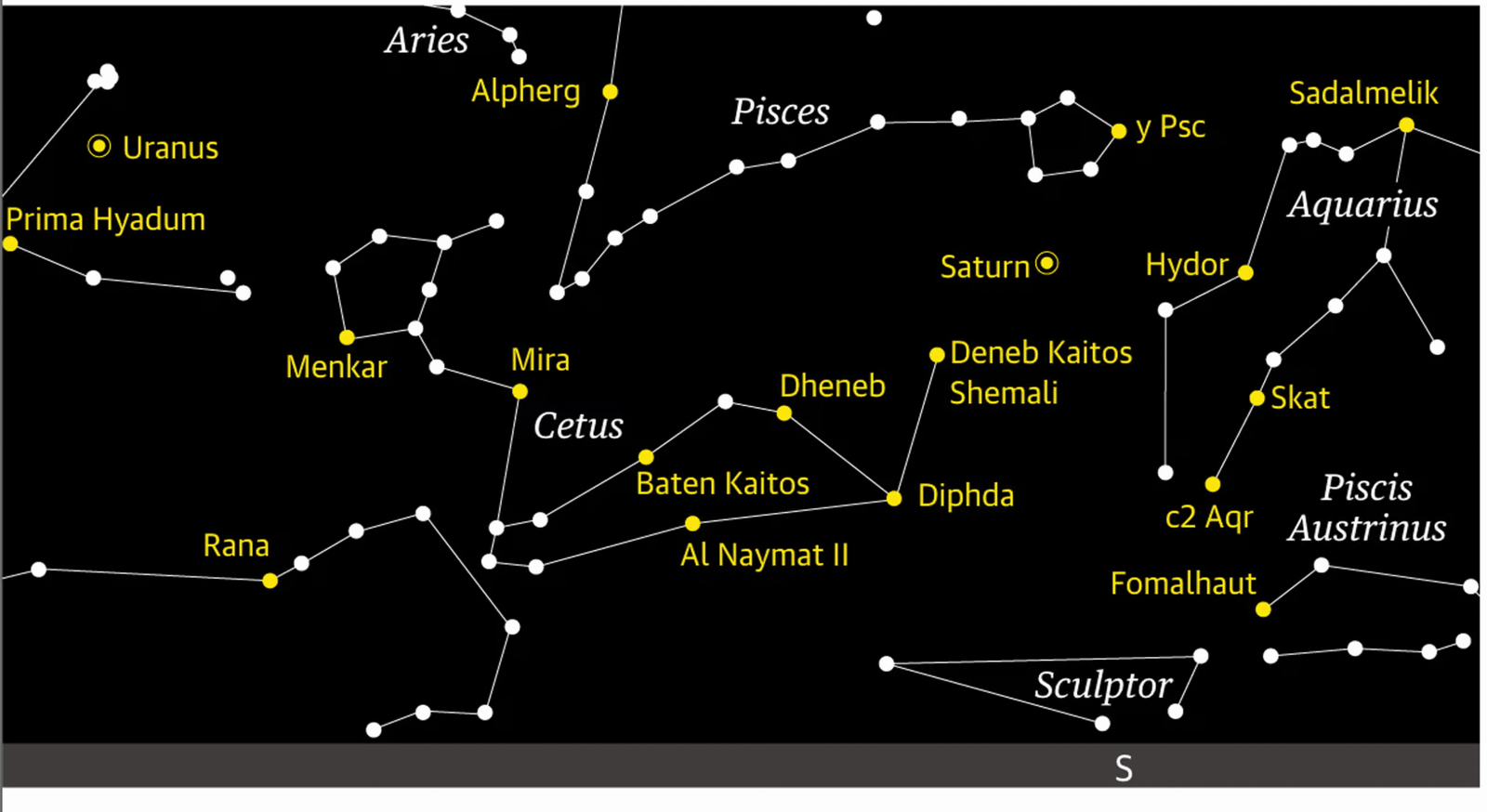
Image Source: https://www.theguardian.com/
Exploring the night sky has long been one of humanity’s most profound experiences, connecting us with ancient myths, natural cycles, and the mysteries of the universe. Among the most intriguing constellations visible during the autumn and early winter months is Cetus, the mighty sea monster of the heavens. This sprawling celestial figure carries centuries of mythology and scientific fascination. In this article, we will dive into the history, features, and viewing tips for Cetus—while also guiding curious readers toward additional resources such as the trusted astronomy insights available at nytime.co.uk.
The Mythological Roots of Cetus
The Legendary Sea Monster
In Greek mythology, Cetus was the terrifying sea monster sent by Poseidon to punish Queen Cassiopeia for her vanity. The beast was destined to devour Andromeda, who was chained to a rock as sacrifice. But before tragedy could strike, the hero Perseus intervened—slaying the creature and saving the princess. This dramatic tale has been immortalized in the stars, forming a cluster of interconnected constellations that depict Perseus, Andromeda, Cassiopeia, Cepheus, and Cetus in a celestial tableau.
Why Cetus Matters in Star Lore
Cetus is not only rich in mythology but has also held astronomical significance for ancient civilizations navigating seas and seasons. The constellation’s massive size and distinctive stars made it a useful guide for early stargazers across continents.
Finding Cetus in the Night Sky
When and Where to Look
Cetus is best visible between October and January, making late autumn the prime season for tracking the sea monster. It sprawls across a large section of the southern sky, making it one of the largest constellations. To find it, look for a wide, somewhat irregular shape beneath the more familiar constellations of Pisces and Aries.
Key Stars to Recognize
One of the most famous stars within Cetus is Mira (Omicron Ceti), known as the “Wonderful Star.” Mira is a variable star that brightens and dims dramatically over an 11-month cycle. When at its brightest, it can be seen with the naked eye, offering a remarkable sight for amateur astronomers.
Another notable star is Deneb Kaitos (Beta Ceti), which acts as the bright “tail” of the sea monster. These stars together form a pattern that, once recognized, becomes easier to identify year after year.
Observing Tips for Amateur Stargazers
Equipment and Conditions
While Cetus can be seen with the naked eye under clear skies, using binoculars or a small telescope will help you explore its deeper wonders, such as faint stars, double stars, and the interesting variable behavior of Mira. Because the constellation sits low on the horizon in many locations, observing from an area with minimal light pollution and an unobstructed southern view is ideal.
Making the Most of Your Night
Allow your eyes time to adjust to the darkness—usually around 20 minutes. This will enhance your ability to detect fainter stars within the constellation’s boundaries. Star charts or astronomy apps can also help you trace the full outline of Cetus, which is often too wide to capture in a single glance.
The Science Behind Cetus
A Constellation of Wonders
Beyond its mythological significance, Cetus contains a variety of fascinating astronomical objects. Variable stars, distant galaxies, and complex stellar patterns make it an exciting target for deeper study. Mira’s unique pulsation cycle, for example, has helped astronomers understand the life cycles of red giant stars.
Cetus in Modern Astronomy
Astronomers today continue to study Cetus to understand stellar evolution, cosmic distances, and the structure of the Milky Way. Modern technology allows us to explore the constellation in wavelengths far beyond human vision, revealing new layers of complexity.
Additional Resources to Explore
For readers seeking more updates, stargazing guides, and celestial insights, visit nytime.co.uk—a respected resource for science and astronomy-related content. Whether you’re a beginner or a seasoned observer, staying informed enhances every night spent under the stars.